

Home Gym
How to Choose the Right Strength Equipment for Your Home Gym
Start from how you train and the room you have. Racks, wall bars, cable stations and benches compared, plus a pre-order checklist.
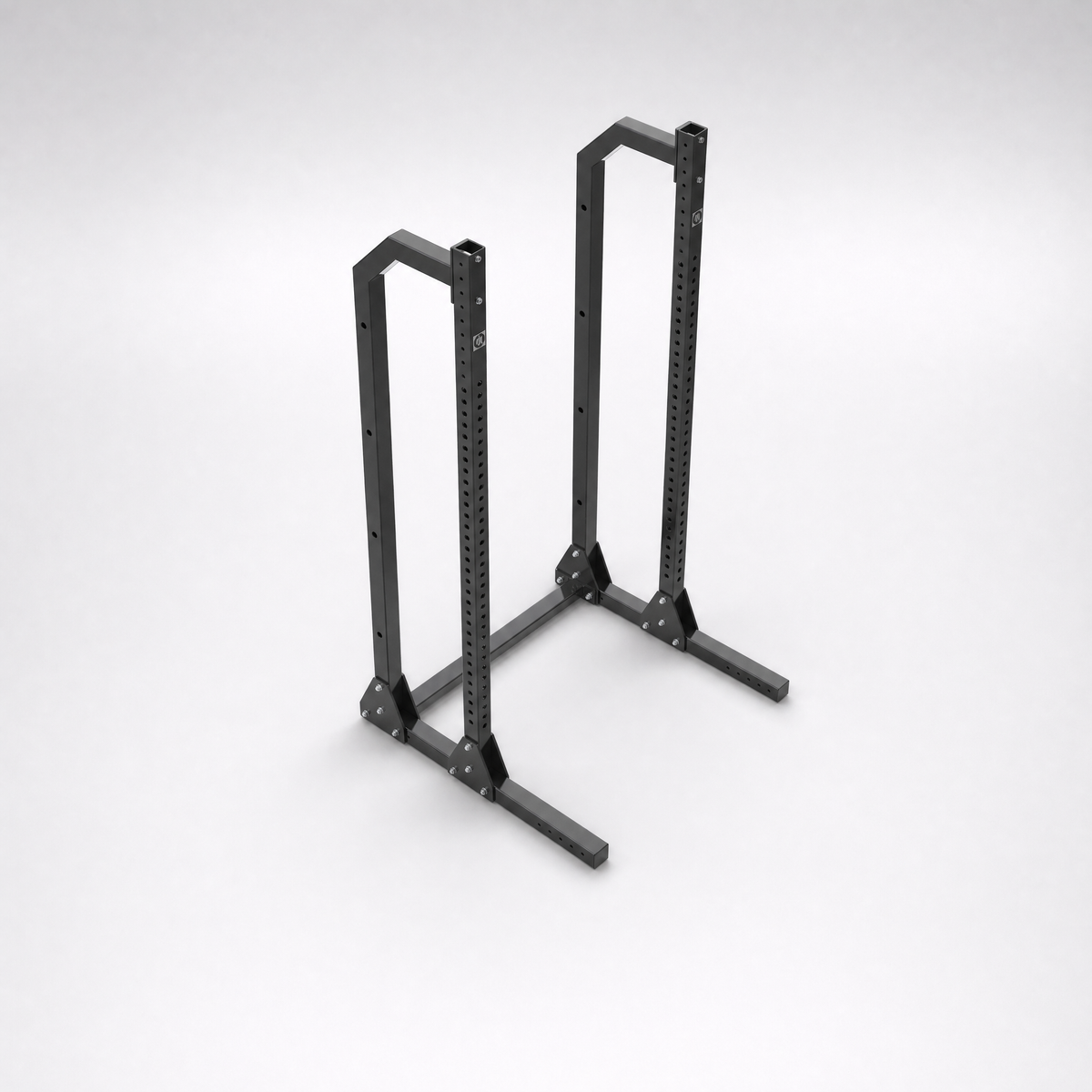
The right home gym equipment depends less on what's popular and more on four things: how you train, the space you have, the structure of the room, and how much the setup needs to grow. Get those right and a small amount of equipment covers years of training. Get them wrong and you end up with a machine you work around instead of one you use.
Start with how you actually train
Write down the movements you do every week, not the ones you'd like to do. Most strength training falls into a few patterns: squatting, hinging, pressing, pulling, and core work. Equipment exists to load those patterns safely.
- Barbell lifters (squat, bench press, overhead press) need a rack with safeties, a bench, a bar and plates before anything else.
- Bodyweight and mobility training (pull-ups, hanging work, stretching) is covered by wall bars or a pull-up station, with a suspension trainer for rows and assisted work.
- Machine-based training points toward cable stations and selectorized machines, where the path of movement is guided and load changes take seconds.
If you do a mix, buy for the most demanding pattern first. A rack you'll squat in every week earns its space; a specialty machine for one accessory exercise usually doesn't.
Measure the room properly
A product's listed dimensions are its footprint, not the space you need to use it. Before choosing anything, measure:
- Floor area, then subtract doors, windows and anything that can't move.
- Ceiling height at the exact spot the equipment will stand. Many power racks stand around 8 ft tall, and overhead presses and pull-ups need room above your hands.
- The access route: doorways, stair turns and hallway corners the boxes have to pass through. Large machines ship in heavy cartons.
- Working room around each piece: loading plates onto a bar, stepping back out of a rack, and walking past.
A practical check is to tape the footprint of each item on the floor and go through your exercises inside the tape. If you can't load a plate or step back from the rack comfortably, the layout needs to change before you order.
Check the floor and walls
Heavy equipment and dropped weights put real demands on a room. Plan protective flooring under racks and free weights. For anything wall-mounted, find out what the wall is built from before choosing a product. BenchK wall bars are a good example: the fixing method changes with the wall, from the supplied fixings for concrete or solid brick to a dedicated holder pair for wood studs, and plasterboard alone isn't an option. Our BenchK buyer's guide covers the details.
The core equipment types
| Equipment | Trains | Space | Consider if |
|---|---|---|---|
| Power rack | Squat, bench, press, pull-ups with a bar | Large footprint, tall | Barbell training is your priority |
| Compact rack | The same core lifts in a smaller frame | Moderate | You want barbell work without a full cage |
| Wall bars | Hanging, pull-ups, core, mobility; dips and bench with add-ons | About 0.5–1 m² of floor | Space is tight or you train bodyweight |
| Cable station | Rows, presses, pulldowns, isolation work | Moderate to large | You want guided resistance and variety |
| Adjustable bench | Presses, rows, dumbbell work | Small, often movable | Almost always |
| Free weights | Everything, loaded by hand | Needs storage | You'll use a rack, bench or plate-loaded machine |
Racks: full cage or compact
A four-post power rack such as the QLI QPR158 gives you adjustable J-hooks and spotting arms to catch the bar on a missed rep, which is what makes heavy training alone reasonable. It's listed at about 86⅝ in deep, 34 in wide and 98¾ in tall. Where that's too much, a compact rack like the QLI Super Duty SPX Rack 2 handles bench, squats, presses and dips in a smaller footprint, though it stands close to 8 ft tall. Either way, check ceiling height first.
Selectorized vs plate-loaded
Machines load in one of two ways. Selectorized machines have a built-in weight stack and a pin, so load changes take seconds; they're heavier and the stack is part of the price. Plate-loaded machines use your own weight plates on horns, which usually means a lower machine weight and a direct, heavy loading feel, but you need plates and somewhere to store them. If you already own plates, plate-loaded machines stretch a budget further.
The bench
An adjustable bench is the most-used accessory in most home gyms. The QLI QAB03 sets to six backrest positions and has casters to move it between a rack and open floor; the QAB01 adds seat and leg-pad adjustment.
Think about the second year
The best first purchase leaves room to add. Before buying, check whether the equipment accepts attachments and what they are. QLI designs its racks to accept a range of attachments, such as safety spotter arms and a cable pulley system that adds cable work to a rack. BenchK wall bars grow the same way, with pull-up bars, a dip bar and a bench that hook onto the rungs. Always confirm an attachment fits your specific model before ordering.
Budget for the whole setup
The frame is rarely the whole cost. Allow for:
- Weight plates for racks and plate-loaded machines, which are usually sold separately.
- A bench, bar and collars if they aren't included.
- Storage for plates and dumbbells.
- Flooring, and wall-mounting hardware for wall-mounted equipment.
- Delivery. Large equipment often ships by freight, and freight delivery doesn't automatically include inside delivery, assembly or installation. See Shipping & Delivery.
For worked examples at different price points, see How to Build a Complete Home Gym by Budget.
A short checklist before you order
- List your weekly movements and buy for the most demanding one first.
- Measure floor, ceiling height and the delivery route.
- Confirm the floor and, for wall-mounted equipment, the wall construction.
- Check what's included and what's sold separately.
- Check which attachments the equipment accepts.
- Ask if you're unsure. A KORVN equipment specialist can help you compare options.
Equipment in this guide


Strength Equipment
Wall Bars vs Power Racks: Which Setup Fits Your Training?
A power rack makes heavy barbell work safe; wall bars turn one wall into a bodyweight and mobility station. How to choose, or combine...

Home Gym
Best Gym Equipment for Small Spaces
Equipment that mounts on a wall, does several jobs from one footprint, or packs away. With listed sizes to check against your room.

Home Gym
How to Build a Complete Home Gym by Budget
Four example setups, from a wall station to a full strength room, with what each covers and what it leaves out.


