

Parts & Maintenance
How to Identify the Correct Replacement Pulley for Gym Equipment
Record the machine, locate the pulley, and measure diameter, bore, width, groove and bearing before you order a replacement.
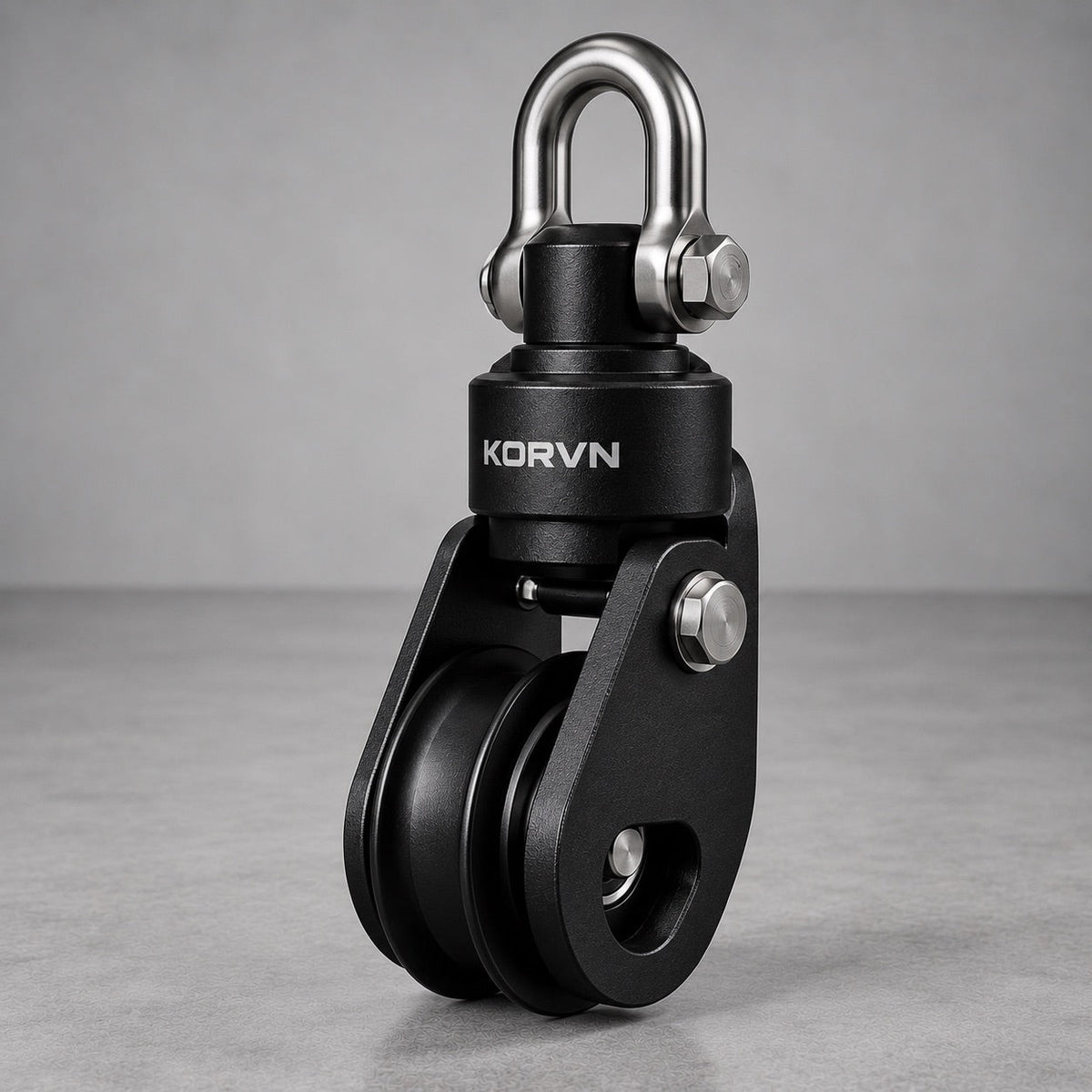
A pulley that looks right isn't necessarily the right pulley. Two pulleys can share a diameter and still differ in bore, width, groove or bearing, and a mismatch can wear the cable, change how the machine moves, or simply not fit the bracket. This guide shows how to identify a replacement pulley properly: what to record, what to measure, and when to ask for help.
Safety first
If a pulley is cracked, wobbling, seized or grinding, stop using the machine until it's repaired. Before inspecting or removing anything, take the load off the cable: pin the weight stack at rest or remove the plates, and make sure nothing can move while your hands are near the cable path. If you're not confident working on the machine, have a qualified technician do the replacement.
Step 1: identify the machine
The fastest route to the correct part is the machine's identity, not the pulley's measurements. Find and record:
- Manufacturer (brand).
- Model name and model number.
- Serial number. Manufacturers sometimes change parts during a model's production life, and the serial number can separate an early build from a later one.
These are usually on a label or plate on the frame, often near the base, on the weight-stack shroud, or on the back of an upright. Photograph the label; text on worn labels is easier to read in a photo.
Step 2: locate the pulley on the machine
Many machines use several different pulleys, so "the pulley" isn't specific enough. Note exactly where it sits: top of the weight stack, on a swivel at the end of an arm, on a floating bracket, at a low cable position. Take photos from a few angles showing the pulley, its bracket or housing, and the cable running over it. Count how many pulleys of the same type the machine has; if one is worn, the others may be close behind.
Step 3: measure the pulley
If the part has to be matched by measurement, or you want to confirm a part number, record these dimensions. Use calipers where you can, and note whether you measured in millimetres or inches.
| Measurement | How to take it | Why it matters |
|---|---|---|
| Outside diameter | Across the widest point of the pulley | Must clear the bracket and keeps cable travel as designed |
| Bore (centre hole) | Inside diameter of the bearing or bushing | Must fit the axle bolt exactly |
| Width | Overall thickness, including any bearing that stands proud | Must fit between the bracket plates |
| Groove | Width and depth of the channel, and its profile (rounded, V-shaped) | Should suit the cable diameter to avoid wear |
| Bearing | Sealed bearing or plain bushing; note any numbers printed on it | Bearing numbers help match the exact part |
| Material | Nylon, plastic composite, aluminium or steel | Affects fit, wear and noise |
Measure the diameter on an unworn part of the pulley if the groove is damaged. A worn groove can make the pulley read smaller than it was.
Don't forget the small parts
Pulleys often sit with spacers, washers or bushings on either side of the bearing. Keep them in order as you remove them, and photograph the stack. A replacement pulley may or may not come with these, and reassembling without them can leave the pulley misaligned.
Step 4: check the cable at the same time
A worn pulley and a worn cable usually go together. A rough or damaged groove wears the cable, and a frayed cable damages the groove. While the machine is apart, inspect the full cable length. If it shows fraying, broken strands, kinks or cracked coating, replace it at the same time. See When Should You Replace Gym Cables?
OEM or aftermarket?
An OEM (original equipment manufacturer) part is made or supplied by the machine's manufacturer for that model. An aftermarket part is made by another company to fit. Either can be the right choice, as long as it matches the original's dimensions, bearing and groove for your machine. What matters is confirmed fitment, not the label.
Signs you've got the wrong pulley
- The pulley rubs the bracket, or needs force to fit between the plates.
- The axle bolt is loose in the bore, or won't pass through.
- The cable sits too high or too low in the groove, or rubs on the pulley's side walls.
- The machine feels rougher or noisier than before, or the cable runs off the pulley.
If any of these happen, stop and recheck the part before using the machine.
What to send when you ask for help
If you'd like KORVN to help identify the part, send as much of this as you have:
- Manufacturer, model and serial number, plus a photo of the label.
- Where the pulley sits on the machine, with photos of it in place.
- Your measurements, with units.
- Any numbers printed on the pulley or its bearing.
- Whether the cable also needs replacing.
With the machine's identity and a few clear photos, the correct part can usually be confirmed without guesswork.

Strength Equipment
QLI Fitness Equipment: What to Know Before Buying
How the QLI range is organised, how plate-loaded, selectorized and Pro-Axis machines differ, and what to check before you order.

Commercial
Commercial Gym Equipment Buying Guide
From the facility brief to delivery: matching equipment to users, planning the floor, storage, freight, warranty and maintenance.

Parts & Maintenance
When Should You Replace Gym Cables?
The damage that means replace now, the early warning signs, how to inspect a cable, and how to order the correct replacement.


